Explore Essential Tree Service Practices for Ideal Tree Well-being
Having knowledge of arboriculture is vital for ensuring ecological wellness. Crucial methods like pruning and mulching are vital factors in promoting tree vitality. In addition, proper watering techniques are essential for new root growth. However, many people overlook the signs of tree diseases and the value of professional arborists. Looking into these areas can result in a better understanding for trees and their care. What steps can one take to make sure their trees flourish?
The Significance of Tree Well-being
Understanding the importance of tree health is vital, as trees play a significant role in maintaining ecological balance and making urban areas better. Strong trees assist with the quality of the air, give shelter, and provide refuge for nature. They also help mitigate climate change by sequestering carbon dioxide, making them essential for a sustainable environment.
In urban settings, properly cared-for trees look better, boost real estate worth, and foster neighborhood health. Having trees can lessen heat island effects in cities, resulting in reduced utility bills.
Ignoring tree maintenance, conversely, can lead to illness, bug invasions, and weakness in structure, posing risks to infrastructure and the trees themselves. As a result, identifying signs of a healthy tree, like the color of the leaves, how the tree is growing, and the tree's outer layer, is vital for effective management. In the end, fostering healthy trees helps more than private yards but also the broader ecosystem, highlighting the necessity for preventative maintenance and maintenance techniques.
Essential Pruning Techniques
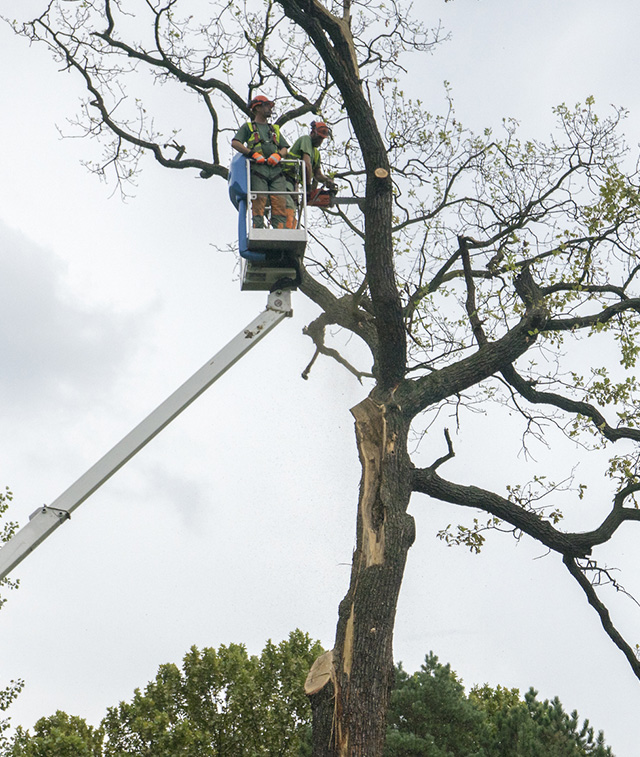
Trimming is a key technique in tree care that ensures optimal development and well-being, as it gets rid of sick or dead limbs and improves air circulation within the canopy. Using the right methods guarantees that trees can flourish where they are planted.
An essential practice is "thinning," which requires careful branch removal to improve sunlight exposure and decrease stress on weaker parts. 'Heading back' is a common approach, where the terminal buds are removed to stimulate lateral branching, mainly in juvenile trees. Furthermore, the 'crown reduction' method lowers the overall height of a tree while preserving its inherent form.
When to prune is key; trimming when the tree is resting lessens the impact and promotes better wound closure. Pruning implements must be sharp and sterile to prevent injury and the spread of pathogens. Understanding these important pruning techniques is necessary for all tree specialists aiming to maintain healthy and visually appealing trees.
Identifying Common Tree Diseases
What helps tree owners spot the symptoms of frequent ailments that put their trees at risk? Awareness of specific symptoms is essential for early detection and action. Typical signs involve foliage that is off-color or limp, which may suggest fungal infections or a lack of necessary nutrients. Unusual growths, like cankers or galls, can signal the presence of pests or pathogens that weaken the tree. In addition, peeling bark or oozing sap might suggest an infection that demand quick action.
Owners must also monitor changes in tree structure, such as branches dying or leaves falling, which might indicate a serious problem beneath the surface. Looking out for insect attacks, like frass or bore holes, is necessary too. Through vigilance and promptness, tree owners can identify these common diseases and seek appropriate remedies, to keep their trees healthy and vigorous across the different seasons.
The Role of Mulching in Tree Care
Mulching is a key technique in tree care, providing many advantages which encourage strong development and durability. It means spreading a layer of organic or inorganic material at the tree's base, aiding in moisture retention, preventing weed growth, and regulate soil temperature. The mulch covering doesn't just limit rivalry from competing weeds but also enhances the aesthetic appeal of the landscape.
Moreover, materials like wood chips, for example, bark or chips, decompose over time, providing essential nourishment and enhancing the soil's composition. This natural breakdown aids in root growth and promotes a better habitat for the plant. Moreover, applying mulch helps stop soil erosion, maintaining the stability of the tree’s foundation. Properly applied mulch must be distributed in a donut shape, keeping it away with the trunk to avoid rotting. In summary, making mulching a part into tree care routines greatly supports to the lasting vitality of trees.
Effective Watering Techniques for Trees
Quality tree upkeep needs more than just mulching but also appropriate watering techniques to ensure optimal growth and health. Trees, specifically new plantings, need consistent moisture to establish strong root systems. It is vital to water deeply, as it promotes roots to descend where moisture is more stable. Ideally, trees should receive about an inch of water per week, be it from precipitation or additional watering.
It is best to water at dawn to cut down on evaporation and the risk of fungus. It is important to avoid overwatering, which may result in root rot and related complications. Check the ground for moisture before watering; if the top two inches are dry, it is time to provide water. Furthermore, employing a soaker hose or drip irrigation delivers a gradual, continuous stream of water, ensuring that trees receive adequate hydration without the potential for wasted water. Correct watering methods are essential contributors to the overall health of trees.
Retaining Specialized Tree Care: When and Why
When considering the health and aesthetics of a property, engaging expert tree care can be crucial for homeowners who need intricate tree upkeep. Expert tree specialists go to article have the expertise to evaluate the condition of trees, spot illnesses, and execute beneficial procedures. Professionals are familiar with local regulations concerning tree removal and maintenance, ensuring adherence and sidestepping fines
(Stillwater Tree Service)It is wise for homeowners to engage professionals when dealing with large trees, particularly those near structures or power lines, as improper handling can pose safety risks. Additionally, trees requiring pruning for looks or well-being gain from the abilities of trained specialists who can make accurate cuts to promote growth
Seasonal tasks, such as pre-storm readiness and clearing debris, need professional assistance to keep the property safe and appearance. In the end, engaging professional tree services makes certain trees get the best attention, contributing positively to the property's aesthetics and home valuation
Frequently Asked Questions
How Do I Know if My Tree Is Drowning?
Signs of overwatering in trees include chlorotic leaves, drooping even when the ground is wet, root rot, and significant defoliation. In addition, the development of mold or fungus at the tree's base may indicate poor drainage and excess moisture.
When Should I Schedule for Tree Pruning?
The best time for tree pruning is usually between late winter and the start of spring prior to bud break - Stillwater Tree Service. Pruning at this time encourages vigorous development and reduces the tree's strain, allowing for effective healing and development
Is It Possible for Trees to Survive Major Storm Damage?
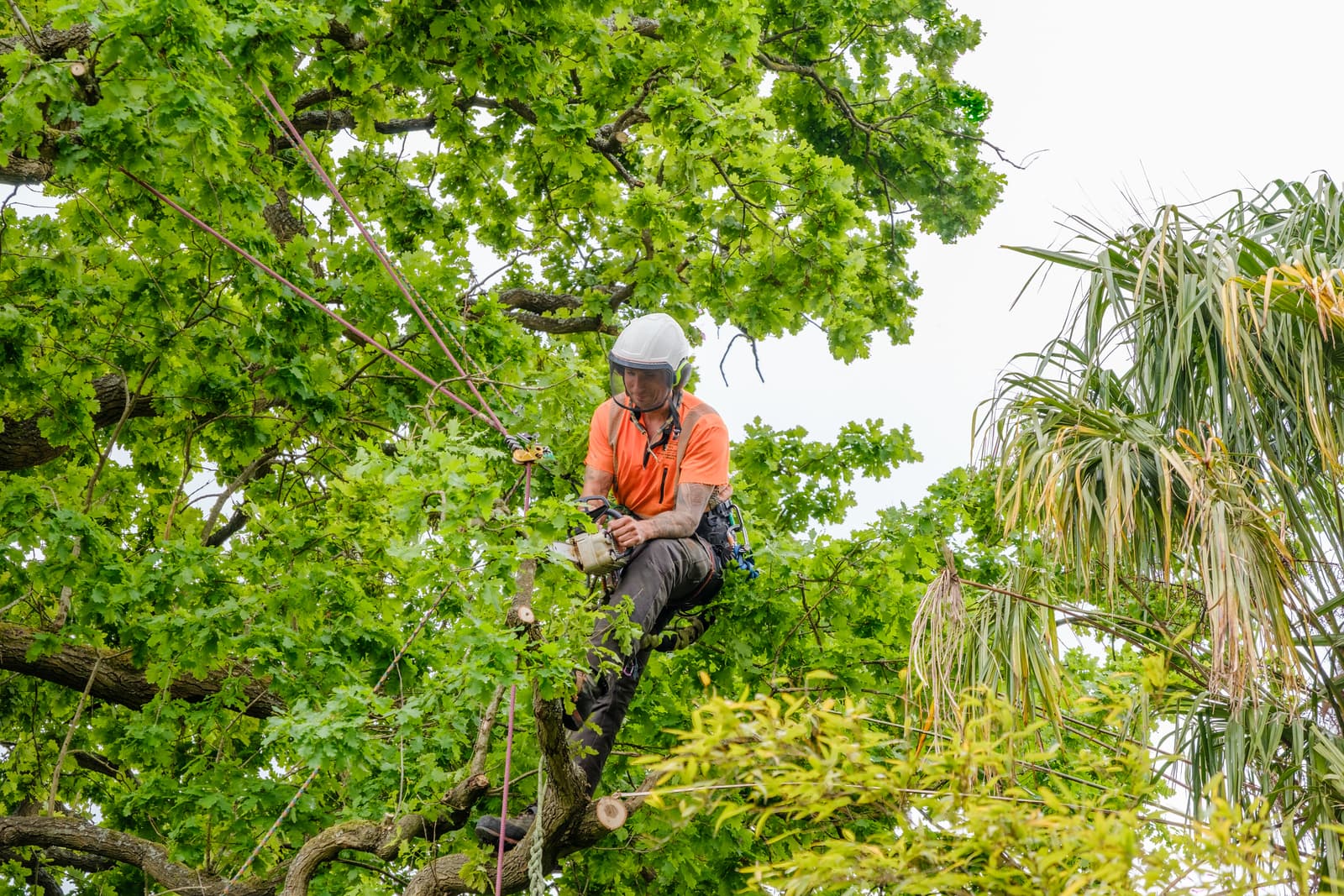
Absolutely, trees are capable of recovering from major storm damage. Given the right attention, such as pruning damaged limbs and providing adequate water and nutrients, many trees can regain their health and continue to thrive following a stressful event.
How Do I Choose the Right Mulch for My Trees?
In order to pick the best mulch, one should consider organic materials for example, bark nuggets or wood shavings, guarantee proper depth of 2-4 inches, and never stack mulch against the base to prevent disease.
Do Certain Tree Species Need More Attention Than Others?
Specific varieties, like young trees and fruit-bearing plants, demand more care because they react strongly to environmental shifts and specific nutrient needs. Regular monitoring and tailored maintenance practices are vital for their condition and flourishing.